 WERC’s Momentum Mentorship Program takes participants through a project-based mentorship journey designed to cultivate the next generation of global mobility leaders. The program goes beyond traditional one-to-one mentorship by fostering structured, team-based collaboration. Pods made up of mentors, mentees, and advisors work together to interpret and tackle an annual theme—developing ideas, insights, or solutions that contribute meaningfully to the industry.
Through a curated mix of education, mentorship, and competitive collaboration, participants gain hands-on experience, build critical industry relationships, and strengthen leadership skills. By engaging both emerging and established professionals, Momentum reinforces WERC’s commitment to the continued growth and evolution of the global mobility profession.
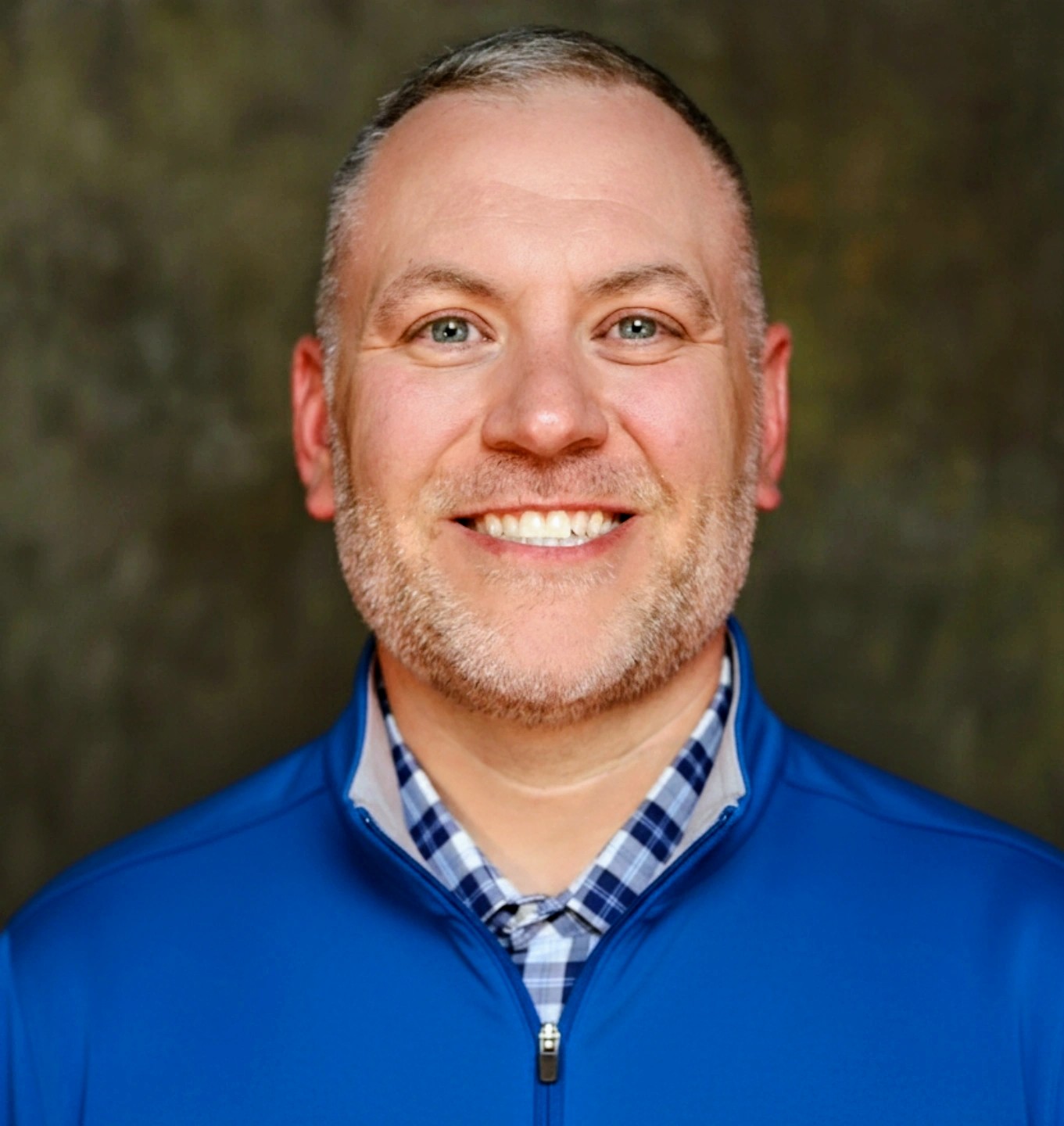
Ray Kirby, SCRP, SGMS-T, director of global mobility at Qualcomm, was named a 2025 Mentor of the Year for delivering impact both within his pod and across the program as a whole. In this Q&A, Kirby reflects on his career in mobility, his mentoring philosophy, and why execution matters as much as innovation in today’s mobility landscape.
Can you share your background in global talent mobility?
I’ve spent nearly 15 years working across global mobility, immigration, and compliance roles, primarily in large, matrixed organizations with complex global footprints. My experience spans corporate immigration strategy, relocation programs, vendor and policy design, and building scalable processes that support business growth while managing risk and employee experience.
What has consistently motivated me is the intersection of people, policy, and execution (making sure mobility programs are not only compliant, but practical and aligned with how the business actually operates).
What was your approach to mentoring during the Momentum Mentorship program, and how do you balance big-picture thinking with practical, real-world application?
My approach was grounded in realism. Big ideas are important, but they only matter if they can survive real constraints- budget, technology, stakeholders, and time. During the Momentum Mentorship Program, I encouraged mentees to start with the why, but quickly move into how: Who owns this? How would it actually get implemented? What tradeoffs would we need to accept?
I found that balancing strategic thinking with pragmatic execution helped mentees sharpen their ideas into something credible, actionable, and relevant to the realities they’ll face in mobility roles.
Your team cited your ability to translate ideas into something that could function as a real product. Why is that skill—moving from concept to execution—so important in today’s mobility landscape?
Mobility teams are being asked to do more with fewer resources, while supporting increasingly complex global work models. In that environment, good ideas aren’t enough. Leaders need to be able to turn concepts into tools, processes, or experiences that actually work at scale. The ability to translate vision into execution is what allows mobility to move from being seen as a service function to a strategic enabler. It’s how we earn credibility with the business and create solutions that last beyond a single project or presentation.
You were recognized not only for your impact within your pod but across the program as a whole. What motivated you to engage at that broader level, and what do you think makes mentorship truly effective at scale?
I was motivated by the quality and energy of the program. When you see strong ideas emerging across multiple pods, it feels important to contribute beyond your immediate group. Mentorship at scale works best when it’s collaborative- insights, pressure‑testing ideas, and reinforcing consistent standards across the cohort.
Effective mentorship isn’t about having all the answers; it’s about creating environments where people can think critically, learn from each other, and gain confidence in their decision-making.
The idea to introduce digital badges was one example of your program-level contributions. What gap were you hoping to solve, and how do you see recognition and credentials evolving in mobility and professional development?
The gap I saw was between effort and recognition. Participants were doing meaningful, rigorous work, but there wasn’t always a tangible way to signal those accomplishments beyond the program itself. Digital badges offer a modern, portable form of recognition that reflects applied learning, not just attendance. I see credentials in mobility evolving toward skills-based recognition, validating what professionals can do, not just what roles they’ve held.
What does being named Mentor of the Year mean to you personally, and what lessons from this experience will you carry into future leadership or mentorship roles?
Being named Mentor of the Year was incredibly meaningful, especially because mentorship has played such a pivotal role in my own career. It reinforced the importance of showing up consistently, asking thoughtful questions, and investing time in helping others sharpen their thinking.
One key lesson I’ll carry forward is that mentorship doesn’t have to be formal to be impactful. Sometimes the most valuable moments come from candid feedback, shared problem-solving, and encouraging someone to think just a bit bigger.
What are you looking forward to professionally this year?
I’m excited to continue building scalable, sustainable mobility solutions while developing the next generation of leaders in our field. I’m particularly interested in how technology, data, and evolving work models will continue to reshape mobility programs and how we, as leaders, can guide those changes thoughtfully.